
Pleasantville Records Need Two Anchors
A solid match in the Pleasantville residents directory is a small chain of documents. It is not one screen. Start with the name exactly as the source spells it. Then add a second detail from somewhere else. A property search may yield a block and lot. A deed supplies a date and legal description. A directory gives an old address. A court index adds a venue and docket number. Different offices keep these details. That separation is exactly why agreement between them carries weight.
Never force a match when the anchors clash. An owner's mailing address may belong to an estate or a business. A historical directory might skip boarders, use a nickname, or keep an outdated street label. A court caption can name an attorney or agency instead. Write the mismatch down. Test the next official source. That habit keeps a lawful research clue in its place. It stays distinct from a verified statement about a Pleasantville household.
For a historical trail, build a dated sequence. Start with the directory address or census clue. Then add the parcel identifier and the recorded transfer. Finish with an archive or probate reference when the record supports it. A current question runs the other direction. Start with the tax parcel. Then read the current deed. Check individual voter status where appropriate. Use a correction route if the result falls short. Keep the subject, source date, and unresolved issue visible throughout.
Find Pleasantville Residents With Records
Begin with the fact already in hand. A Pleasantville street address points to the Atlantic County assessment hub, while a transfer name belongs in the County Clerk index. A past household fits a dated directory, census, newspaper, or archive collection. These sources overlap. They do not mean the same thing. A tax owner may receive mail elsewhere, a deed party may be an estate, and a directory entry is a period snapshot rather than a full roster.
The county seat is Mays Landing, not Pleasantville, so a city address often leads to a county office. Keep the exact spelling. Note the source date as well. Record the role each result shows. A second anchor helps. A block and lot, middle initial, instrument number, directory year, or family relationship reduces same-name errors and makes the search reproducible.
- Set the assessment search to Pleasantville and use an address, owner, or block-lot-qualifier.
- Keep the situs and mailing fields separate.
- Search County Clerk records with a name, town, date, or parcel key.
- Use the library for historic directories and newspapers.
- Send a narrow request to the actual custodian when a web result stops.
Note: A non-match may reflect a spelling variation, a limited collection, a protected record, or a different custodian rather than proof that no record exists.
Pleasantville Resident Records Offices
Pleasantville staff handle city forms, vital-statistics applications, the tax list, and municipal requests. Atlantic County offices keep the wider land, tax, election, and archival trail. The County Clerk performs the recorder function for deeds. The assessment hub gives a quick current parcel cross-check. Send an address, record type, and date range. A request for every record about a person is too broad and can mix unrelated files.
Atlantic County Clerk
Historic Courthouse Complex
5901 Main Street, Mays Landing, NJ
609-625-4011
The Pleasantville Municipal Clerk and Registrar at 18 N First Street makes a sensible municipal first stop. County OPRA requests are different. They belong with the county custodian who actually holds the record. The Clerk is not the automatic destination.
Pleasantville Parcel Search Fields
The Atlantic County Property Assessment Search Hub is the clearest current-property starting point in the Pleasantville residents directory. Set Town Filter to Pleasantville. Then search by Owner Name, Property, or B.L.Q. B.L.Q. stands for block, lot, and qualifier, the parcel key that separates similar street numbers or units. Class, sales, size, and year-built filters are there too. Save each returned field separately, and treat the August 27, 2026 import date as a description of the portal load rather than a complete ownership history.
| Search field | Useful result | Important limit |
|---|---|---|
| Town and property | Municipal parcel match | Confirm situs on the result |
| Owner | Tax-record party | Not proof of residence |
| B.L.Q. | Stable parcel bridge | Keep blank qualifier blank |
| Sale and building fields | Parcel context | Not a deed image |
The assessment hub source shows the current filters used for a careful parcel check.
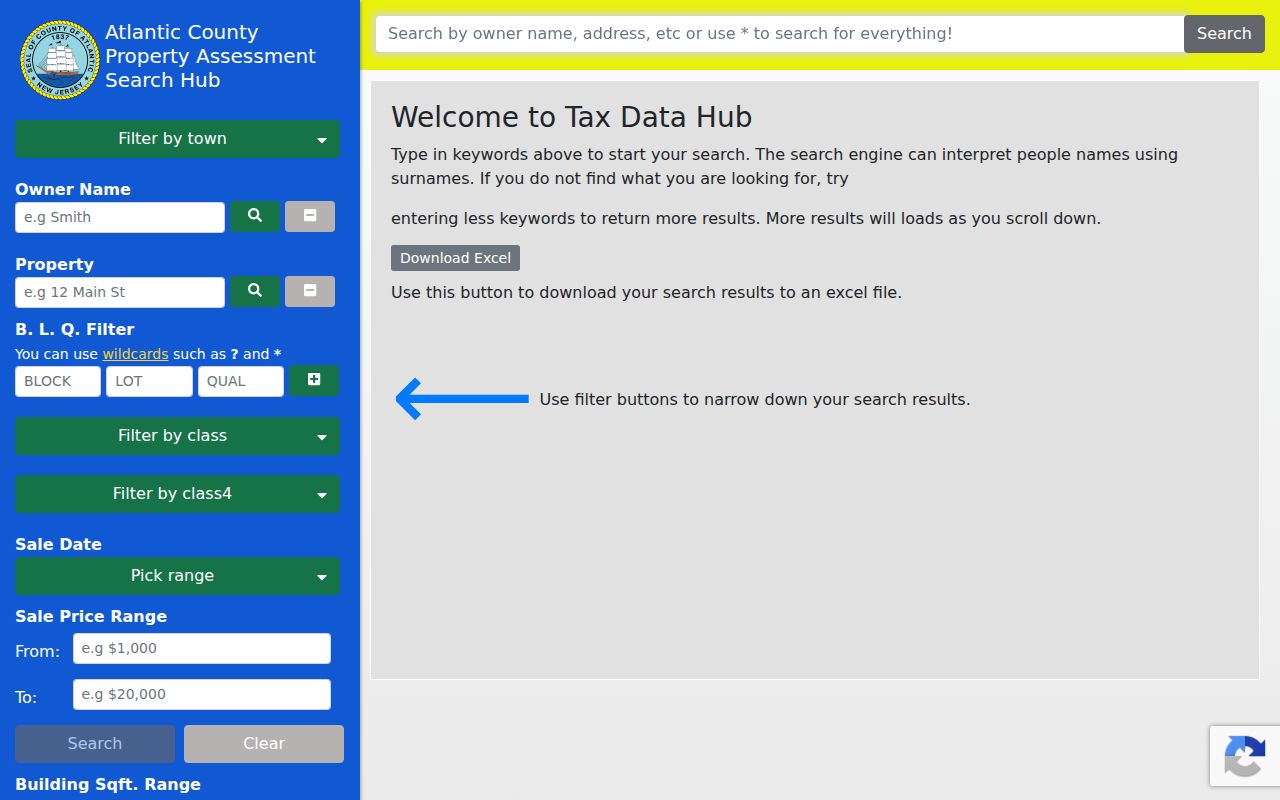
The property view supplies a parcel key. That key drives the next search. It does not convert an owner line into a list of present occupants.
Pleasantville Deed Trails Reach Mays Landing
BrowserView and the County Clerk search locate recorded land instruments by party name, document type, book and page, parcel, town, and date. Start with the apparent current owner as grantee. Open the purchase deed, record the grantor and legal description, then search that grantor as an earlier grantee. A grantor conveys an interest. A grantee receives it. The chain identifies successive transfer records, but it cannot prove every named party lived at the property.
Public images begin March 1, 2000. That date marks an image-access boundary, not a claim that older deeds vanished. Earlier books need book and page details. Carry those to the Clerk, the State Archives, or the FamilySearch catalog. The County Clerk office is the modern records route and the place to confirm access before traveling.
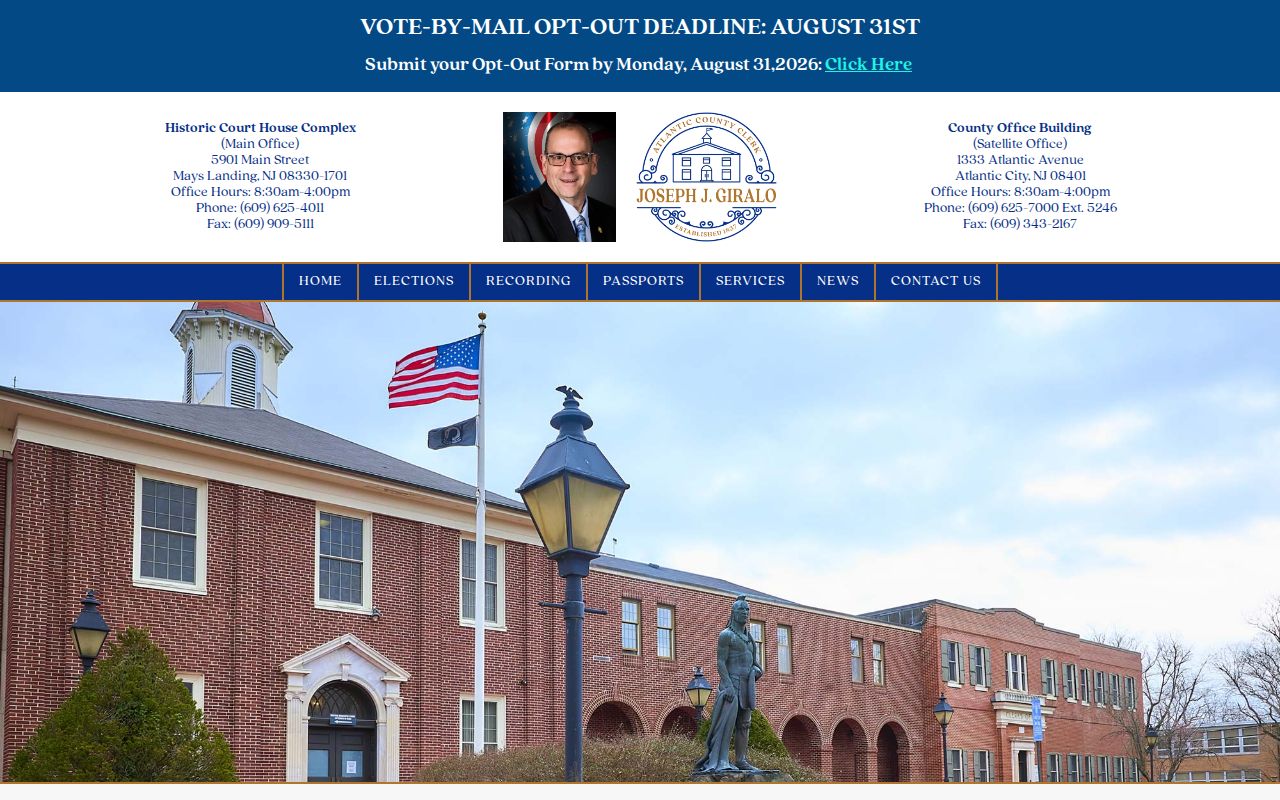
Take the office route when online results fall short.
- Parcel
- A mapped tax unit, commonly identified by block, lot, and qualifier.
- Index
- A finding tool that points to a record and is not always the image.
- Criss-cross directory
- A reverse directory arranged by address rather than surname.
- Roll
- A list kept for a particular public function, with its own scope.
Current Pleasantville Resident Directories
No single master list covers everyone in Pleasantville. Each records source captures a person in one role. That role might be tax owner, recorded party, registered voter, court party, or license holder. That is why a name can sit in one system and be absent from another. The official voter endpoint lets a resident check an individual registration. The county publishes no current full-file format or fee for it. When a lookup comes up empty, the gap often has a plain cause. A status change can break the match. A spelling difference, a new address, redaction, or a portal limitation can each do the same.
| Source | What it shows | Keeper | Access |
|---|---|---|---|
| Assessment hub | Tax owner and parcel fields | County assessment / city assessor | Web search or inquiry |
| Voter registration | Individual status subject to law | State and county elections | Official lookup or request |
| Recorded documents | Grantor, grantee, transfer fields | County Clerk | BrowserView and Clerk |
| License verification | Current professional status | New Jersey Consumer Affairs | Official portal |
| Library collections | Historic household clues | ACLS and ACHS | Reference and microfilm |
Chasing one name instead of comparing sources? The focused Pleasantville resident lookup workflow fits that task. Keep two independent identity anchors in play so a match rests on more than a shared name.
Pleasantville Voter and Court Checks
New Jersey keeps voter records under firm redaction rules. A released registration can carry a name, address, party, status, ward, district, and participation information. Signatures, identity numbers, and protected addresses stay out of general view. N.J.S.A. 47:1A-5.1 anchors that access scheme. A county request should spell out the exact fields. It should also cover the election or date range and the preferred format. The Superintendent of Elections and the Board of Elections hold separate duties. Route the request to the right office.
Court records answer a different question. Pleasantville municipal matters moved into Atlantic City Joint Municipal Court on January 1, 2024. The statewide court menu and NJMCDirect steer a searcher to the correct case family. A public docket may show party, venue, docket number, caption, dates, proceedings, and disposition. That is procedural history, not proof of identity or a current address. Treat it as the stated record and nothing more.
Note: Sealed, expunged, juvenile, and protected court records stay unavailable. That holds even when a name is fully known.
Pleasantville Privacy Limits and Corrections
Some missing address results are correct, not errors. The New Jersey Address Confidentiality Program supplies a substitute address for qualifying survivors and people facing defined threats in government transactions. Daniel's Law can also force owner-name redactions in hosted parcel and tax-list material. Vital records carry their own eligibility windows. Voter files, meanwhile, shield signatures and identity numbers from release. A protected value is not an invitation to rebuild it from some other source.
The Address Confidentiality Program explains the protected-address route in official terms.
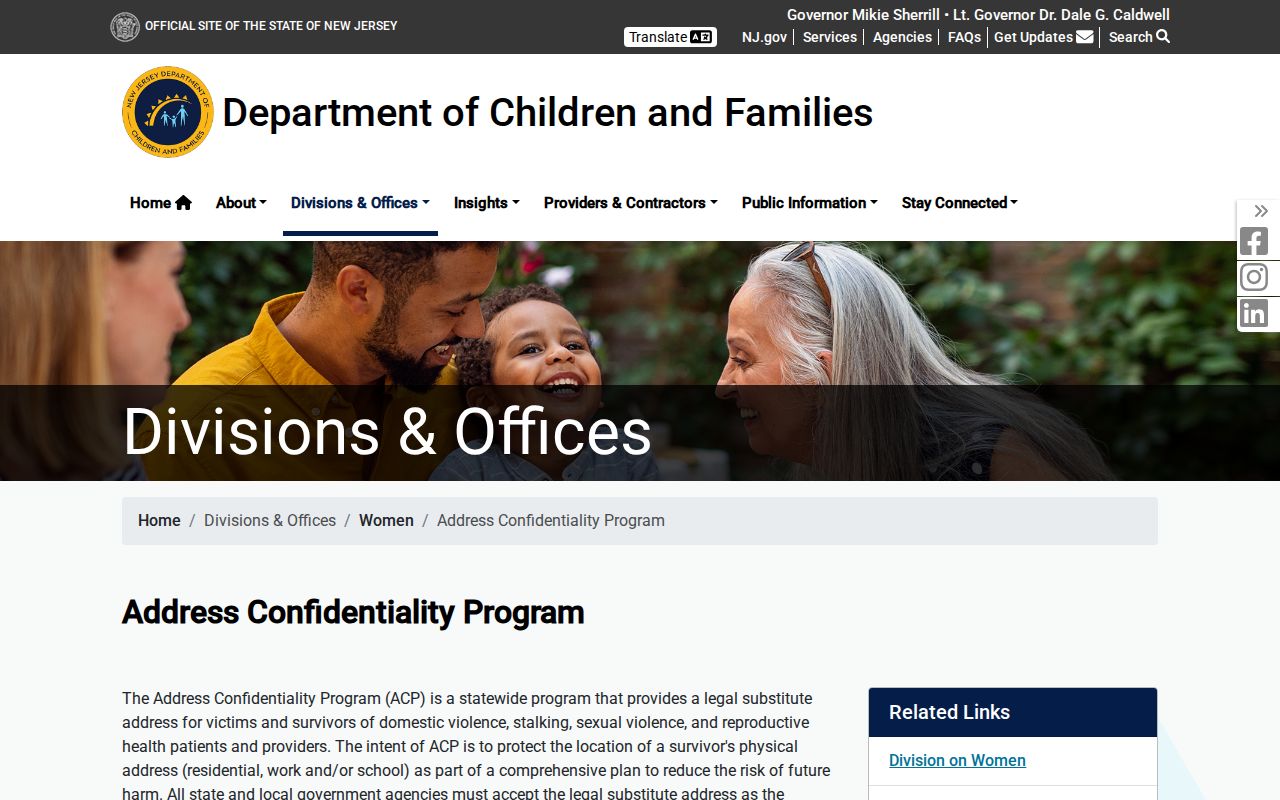
An error goes to the keeper of the record, not a middleman. The assessor fixes tax data. The Clerk handles recorded-document indexing. The elections office handles registration. The court division handles docket problems. Library catalog errors belong to the library or archive that hosts the catalog.
Pleasantville Vital Record Access Windows
Vital records do not bend identity rules. The Pleasantville Municipal Clerk and Registrar takes local applications. The state copy comes from the New Jersey Department of Health Office of Vital Statistics and Registry. Restricted access applies to births within 80 years, marriages within 50 years, and deaths within 40 years. All domestic partnerships and civil unions stay restricted too. Genealogy work on older records runs through separate time-window and deceased-person rules instead. So the year of the event, not just the name, decides which door opens.
The New Jersey vital-records office posts the official forms and current eligibility rules.
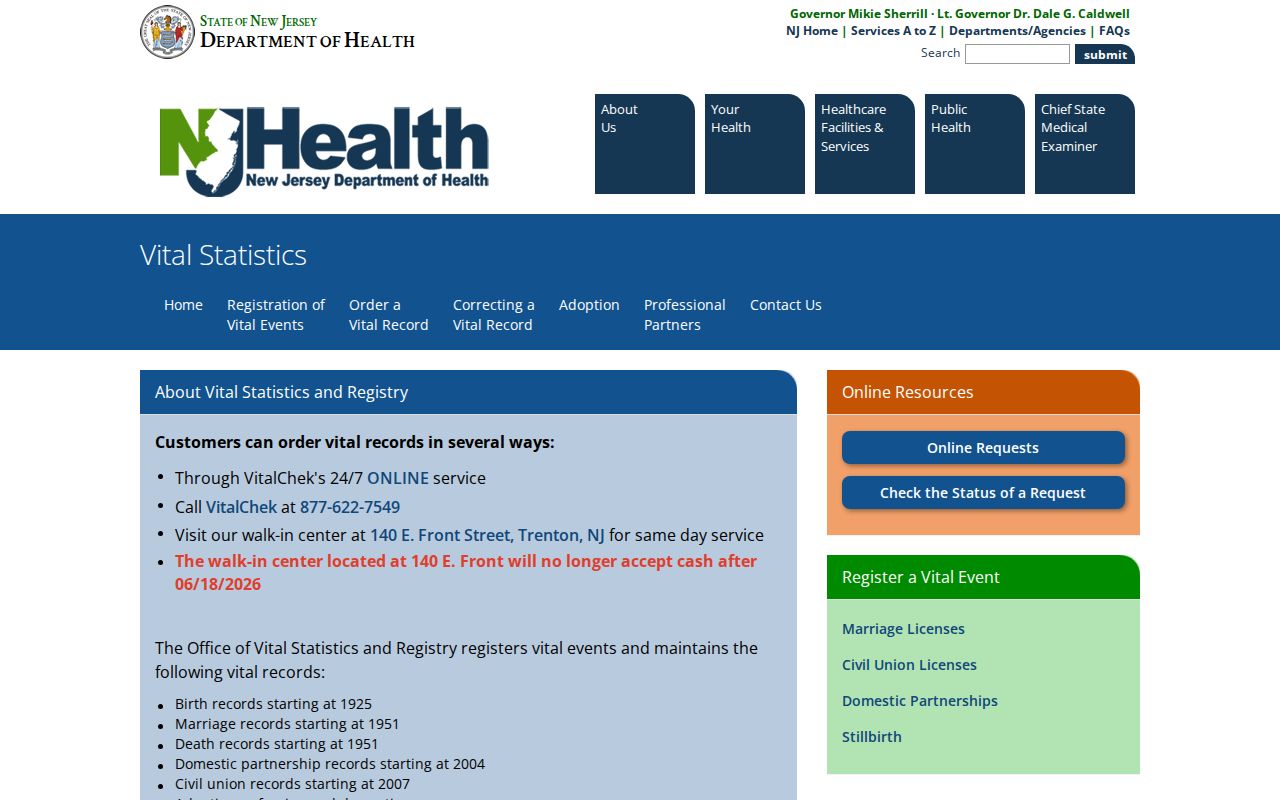
Treat an obituary, archive index, or directory line as a lead, not a certificate. Order through the correct eligibility route before assuming a current record is open.
March 2000 Shapes Pleasantville Deed Access
The County Clerk's March 1, 2000 boundary marks where public deed images stop. Records before that date exist, but not as browsable images. State Archives and FamilySearch material ties Atlantic County deeds and indexes to the county's 1837 era. No verified index-wide beginning year appears online. So the early coverage stays approximate until checked against the archival sources. A dead end in the browser is an access issue, nothing more. Write it down and move on. It is never proof that an older property chain or household failed to exist.
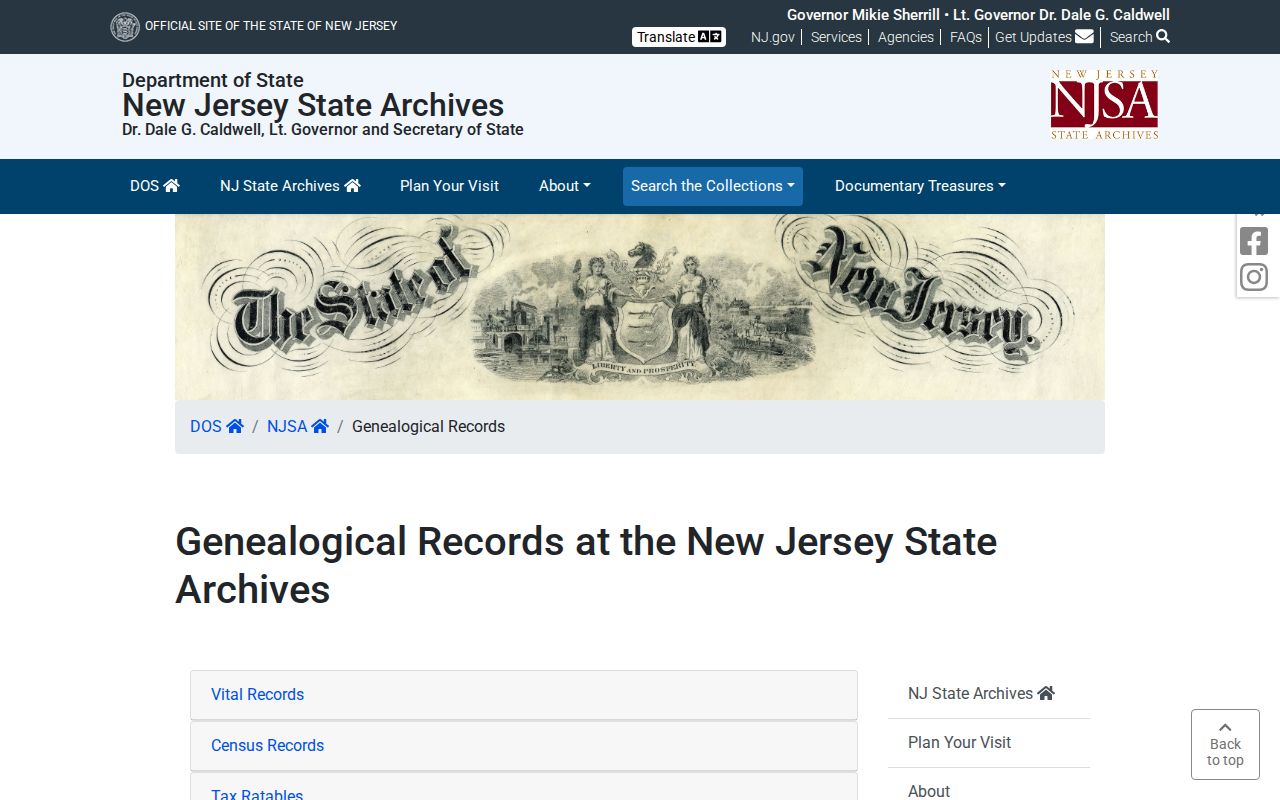
The State Archives genealogy collection page holds the archival fallback for county land, estate, census, naturalization, and related records.
Before requesting an older volume, note the last verified book, page, party spelling, and legal-description wording.
Historical Pleasantville Resident Directories
Printed volumes anchor the historical side of the Pleasantville residents directory. Boyd county directories cover 1918 through 1922. Polk then runs from 1923 through 1931. The State Library catalog lists Pleasantville Polk volumes for 1966, 1968, and 1971. The Atlantic County Library Resource Center also notes Polk directories from 1910. Exact volumes and reverse-directory coverage need confirmation from reference staff. Boyd's digitized January 1920 Atlantic City volume includes a Pleasantville section. This helps bridge the run.
A single directory line can pack real detail. Expect a home address, a spouse or widow notation, an occupation abbreviation, and even a corner description. Compare adjacent editions before calling a move, because publishers and layouts shifted between years. The full historical shelf sits on the Pleasantville city directory page.
The New Jersey license-verification portal filters by profession, name, number, city, and business or person.
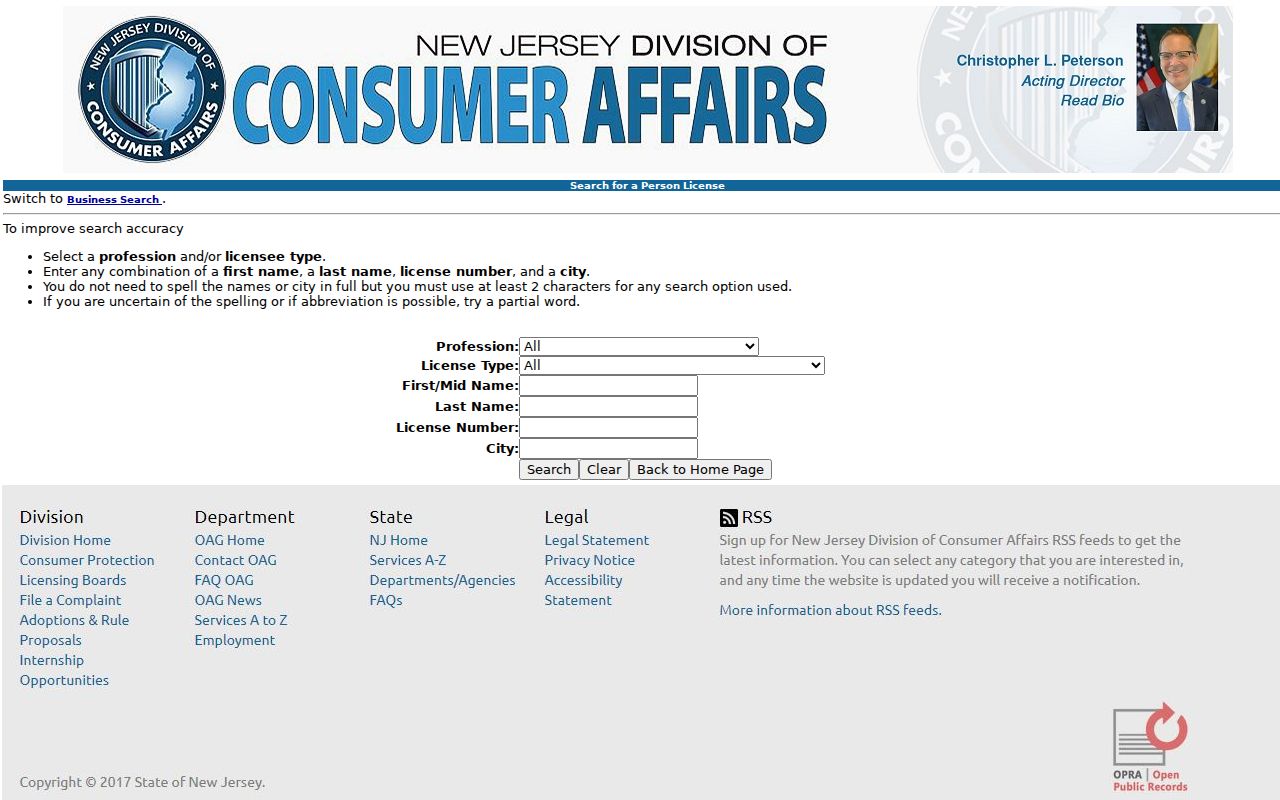
A license result can confirm a known professional affiliation. It still cannot stand in for a proper address or identity check.
Pleasantville Library and Archive Fallbacks
When the web runs dry, the Atlantic County Library Resource Center in Mays Landing carries Jerseyana and genealogy reference. It also holds federal and state census microfilm, local newspapers, and digitized South Jersey material. Public computers and staff help round out the offer. The Atlantic County Historical Society in Somers Point keeps directories, local-history files, and manuscripts. Its shelves also hold yearbooks, church and cemetery material, obituaries, photographs, and maps. Ask for a street, a year, a surname spelling, or a named collection. Broad people searches tend to stall there. A specific request gets a specific answer.
The library catalog moved to Koha/Aspen in October 2025. So an older link or a no-result screen does not mean a holding vanished. The Resource Center remains a solid fallback. So do another branch, a historical society inquiry, and the State Archives catalog.
Pleasantville Postal Labels Need Care
A ZIP code can muddy a land-record search in Pleasantville if you let it. ZIP 08232 is the standard postal ZIP. The Pleasantville Post Office sits at 752 Black Horse Pike. USPS material also lists a Pleasantville Carrier Annex at 5 Columbus Avenue in Egg Harbor Township, under ZIP 08234. That annex is a routing detail. It does not move any property into a different municipality. Before drawing conclusions, compare the USPS delivery line against the assessment situs and the GIS municipality.
Postal city, mailing address, legal description, and tax situs are separate fields. A border address near Absecon, Egg Harbor Township, or Atlantic City calls for the parcel and municipal record. Do not rely on an assumption drawn from a ZIP code.
Pleasantville Property Safety Alerts
Atlantic County offers a free property-fraud alert. It watches a party name or parcel for new recordings. The Clerk recommends subscribing by party name, since some recorded documents carry no parcel identifier. Verification takes about five to seven business days. The service cannot block a qualifying filing. An alert is a prompt. Use it to review the official recording path, not as proof of an outcome.
The New Jersey Open Public Records Act reference lays out the state access framework. County requests must name the right custodian.
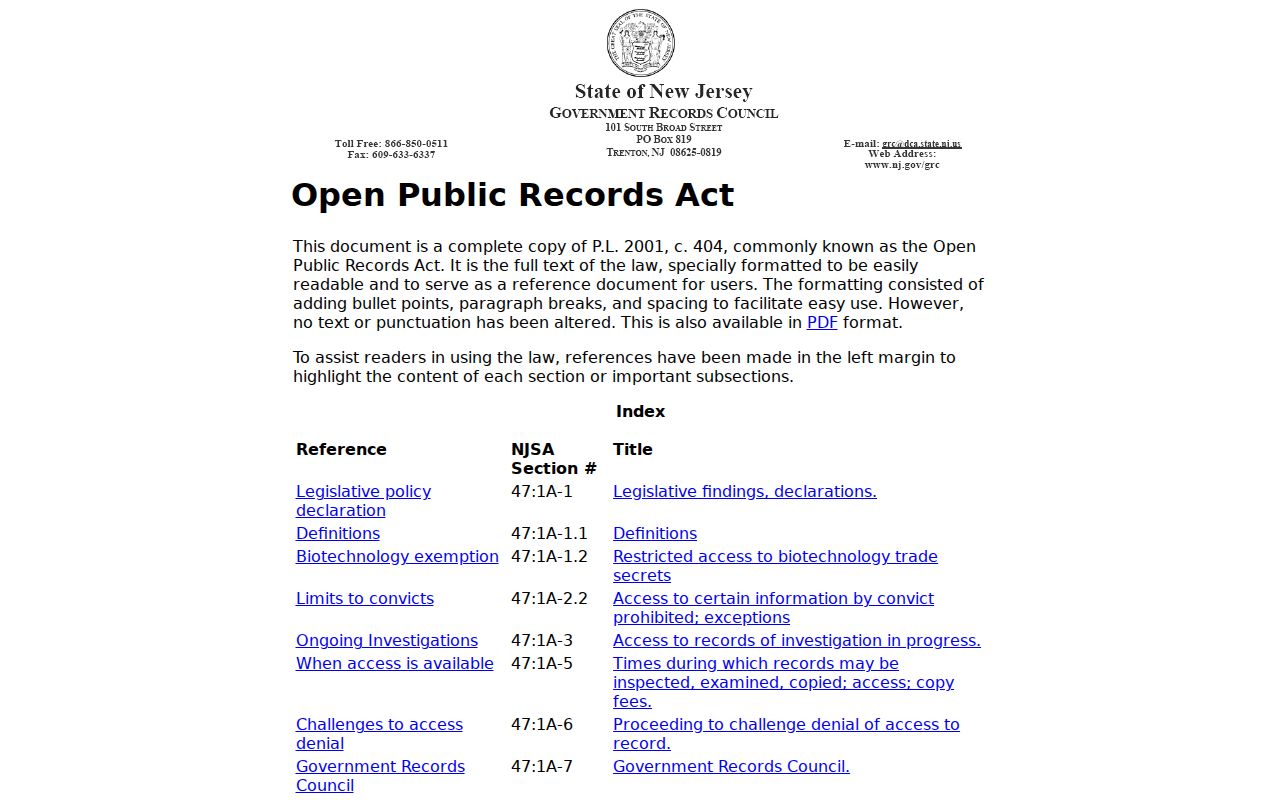
An OPRA request works best with specifics. Name the record, the office, the date range, and the delivery format you want, rather than asking the county to assemble a general profile. Precision gets answers faster.
The New Jersey unclaimed-property search is another official route keyed to a name, and it states that searching and claiming cost nothing.
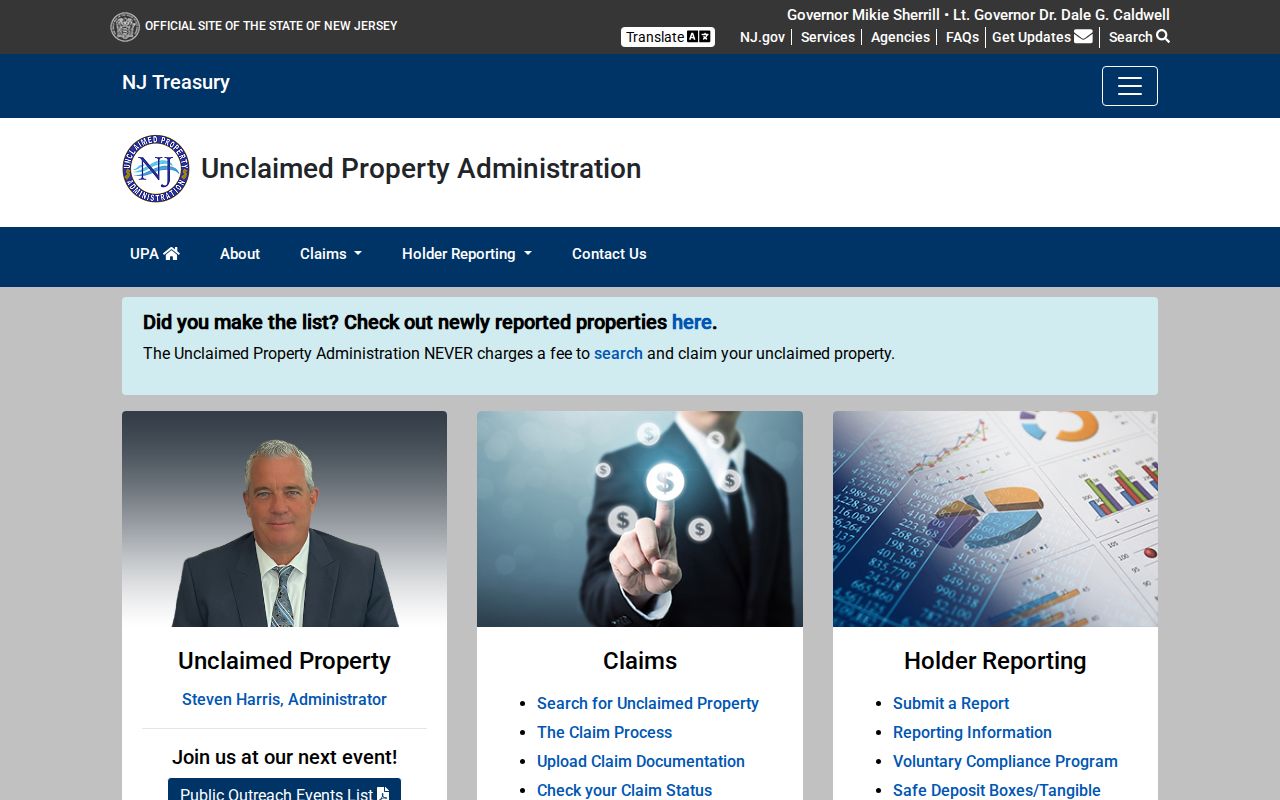
Judge a name hit by what backs it up: an instrument number, an estate record, or a verified identity detail. Steer clear of solicitations that demand payment before any official search happens.